

Innovative trends shaping the future of casino design
Integrating Technology into Casino Architecture
The future of casino design is increasingly defined by technological integration, which offers more than just aesthetic appeal. Smart technologies, such as artificial intelligence and augmented reality, are being woven into the very fabric of casino architecture. For instance, AI-powered systems can analyze player behaviors to optimize game placements and enhance customer experiences. By utilizing real-time data, casinos can create layouts that respond dynamically to player preferences, creating an environment that feels tailored to each visitor. Additionally, players can access the Pin Up Application Download easily through the official website, where they can find comprehensive gaming options, including sports betting and live dealer games. https://casino-pinup.ng/app/

Moreover, augmented reality is transforming how players engage with games. Interactive features that allow players to immerse themselves in a rich visual experience can make classic games like poker or blackjack more captivating. This blend of physical and digital elements not only attracts younger audiences but also enhances the overall experience, thus setting modern casinos apart from their traditional counterparts.
As these technological advancements continue to evolve, casino designers are challenged to rethink layouts and functionalities. The incorporation of tech-savvy solutions like mobile apps for seamless transactions and event notifications serves to make gambling more accessible. Consequently, these changes are not only about making casinos look high-tech but also about enhancing user experience through smart functionality, leading to increased foot traffic and engagement.
Sustainable Design Practices in Casinos
Sustainability is no longer a trend confined to a niche market; it has permeated casino design, redefining how these entertainment hubs operate. Modern casinos are increasingly adopting green building practices, utilizing sustainable materials, energy-efficient lighting, and waste-reduction strategies. This commitment not only reduces the carbon footprint but also appeals to the growing segment of environmentally conscious consumers.
Innovative designs often feature natural light and indoor gardens, creating a more inviting atmosphere while minimizing reliance on artificial lighting. These design elements enhance the aesthetic appeal of the casino while promoting a sense of well-being among visitors. By providing spaces that harmonize with nature, casinos can create memorable experiences that resonate with guests long after they leave.
Additionally, integrating renewable energy sources, such as solar panels, into casino designs is becoming a norm. This reduces operational costs in the long run and positions casinos as leaders in sustainability within the hospitality sector. By embracing these eco-friendly practices, casinos not only contribute to environmental conservation but also improve their brand image and customer loyalty, attracting a more diverse clientele who values sustainability.
Creating Multi-Purpose Spaces
The trend towards multi-purpose spaces in casino design reflects changing consumer habits and preferences. Modern casinos are evolving into comprehensive entertainment hubs that offer much more than gambling. By incorporating features like theaters, art galleries, and restaurants, these venues become destinations for a wider audience, catering to families and social gatherings rather than just individual gamblers.
Designers are focusing on creating versatile areas that can adapt to various events and activities. This includes modular spaces that can transform based on the needs of the moment—be it a gaming tournament, a live concert, or a corporate event. Such flexibility enhances the venue’s appeal and maximizes revenue-generating opportunities.
Moreover, the integration of social spaces within casinos fosters community interaction, making the environment more inviting and less intimidating for newcomers. This approach not only attracts diverse demographics but also encourages longer visits, as guests can enjoy multiple forms of entertainment all in one location. By redefining what a casino can be, designers are broadening the scope of the gaming experience.
User-Centric Design Principles
User-centric design is at the forefront of modern casino architecture, focusing on creating environments that prioritize player comfort and satisfaction. This involves considering factors like ergonomics, navigation, and ambiance to enhance the gaming experience. Thoughtful layouts ensure that players can easily find their favorite games while also providing ample seating and social interaction spaces.
Lighting plays a crucial role in user-centric design, with casinos opting for adjustable, ambient lighting that enhances the overall atmosphere. This approach helps to set a mood conducive to gaming while ensuring that guests feel comfortable. The psychological effects of color and brightness are being studied to maximize player engagement, reinforcing the idea that design can influence behavior.
Additionally, incorporating technology that personalizes the player experience is becoming standard. From loyalty programs that track user preferences to mobile apps that facilitate instant access to games and promotions, casinos are now prioritizing seamless user experiences. By placing the customer at the heart of design, casinos can build lasting relationships with their patrons, leading to increased loyalty and repeat visits.
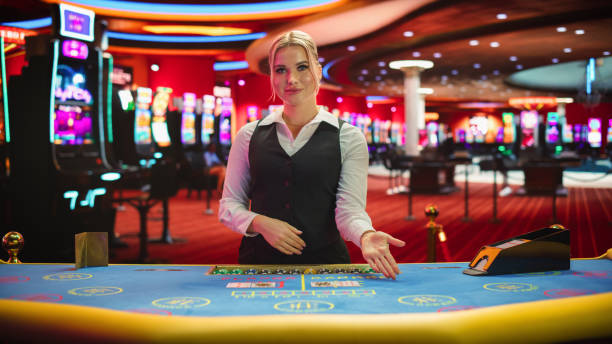
Future of Casino Design: Trends and Insights
The future of casino design is poised to embrace an array of innovative trends that respond to evolving consumer expectations. As competition increases, casinos must remain flexible and adaptable to keep pace with these changes. Emerging technologies, including blockchain for secure transactions and virtual reality experiences, are set to revolutionize how players interact with gaming environments.
Furthermore, the fusion of gaming with other leisure activities will continue to redefine casinos as multi-faceted entertainment venues. With trends indicating a growing preference for integrated experiences, casinos will likely incorporate more non-gaming attractions, from wellness spas to immersive art installations. This holistic approach not only caters to a broader audience but also diversifies revenue streams.
In summary, the evolution of casino design is driven by a combination of technological advancements, sustainability initiatives, and user-centric principles. As these trends continue to shape the landscape, casinos that embrace innovation will not only remain relevant but thrive in the competitive entertainment sector.