

Gambling’s unseen effects on community well-being
The Economic Impact of Gambling
Gambling can create significant economic opportunities within a community, providing jobs and generating tax revenue. Casinos and betting establishments often employ a substantial number of local residents, which can help reduce unemployment rates. Additionally, the taxes collected from gambling operations can fund local infrastructure, education, and public services, thereby enhancing overall community welfare. For those looking for entertainment options, they might want to explore the top 20 online casinos uk available today.
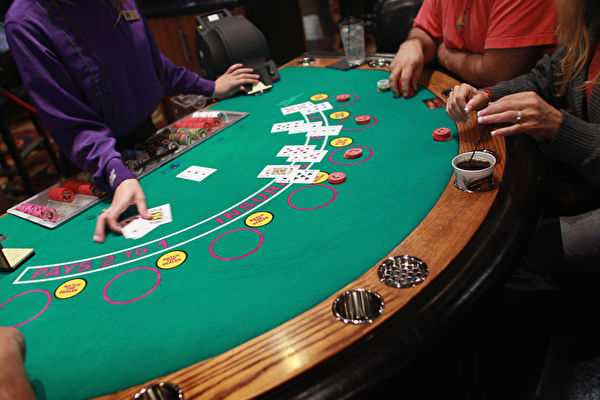
However, the economic benefits of gambling come with hidden costs. While some residents may thrive in this new job market, others may face adverse effects, including increased financial stress and reliance on public assistance. The economic disparity can create a divide, where the benefits are not evenly distributed, leading to social tension and discontent among residents.
Social Dynamics and Gambling
The presence of gambling establishments can significantly alter a community’s social fabric. Some individuals may view gambling as a form of entertainment, bringing people together for social gatherings. This aspect can foster a sense of community among those who participate, allowing for shared experiences and connections.
Conversely, gambling can lead to addiction and social isolation for some individuals, creating rifts within families and friendships. The social stigma surrounding problem gambling can also prevent individuals from seeking help, further isolating them and negatively impacting their relationships and overall community cohesion.
Public Health Concerns Associated with Gambling
Gambling can have serious implications for public health. As gambling becomes more accessible, the risk of addiction increases, potentially leading to mental health issues such as anxiety and depression. Communities may see an uptick in health-related concerns, including substance abuse and financial distress, which can strain local healthcare systems.
Moreover, the community may lack adequate resources to support those struggling with gambling addiction. Without proper educational programs and mental health services, individuals may find themselves trapped in a cycle of addiction, affecting not only their personal well-being but also the broader community’s health and safety.
The Impact on Crime Rates
Gambling establishments can influence crime rates in various ways. While some argue that casinos lead to higher crime rates due to the influx of cash and potential for illicit activities, others suggest that regulated gambling can reduce crime by keeping it within a controlled environment. Nonetheless, increased gambling can also result in crimes associated with addiction, such as theft and fraud.
Communities may find themselves grappling with the need for enhanced law enforcement and community safety measures to address these emerging issues. The balance between the economic benefits of gambling and the potential for increased crime creates a complex landscape that community leaders must navigate to maintain safety and well-being.

Engaging with Fiction and Community Identity
While exploring the unseen effects of gambling on community well-being, it’s essential to consider the role of storytelling and engagement through platforms like Fiction Uncovered. Literature can provide a reflective space for individuals to explore the complexities of gambling and its impact on society. Engaging narratives can foster discussions about the ethics of gambling, personal stories of struggle, and triumphs over addiction.
By nurturing a community of readers and writers, Fiction Uncovered aims to inspire individuals to share their experiences and insights, contributing to a broader understanding of how gambling affects well-being. This engagement not only enriches the literary landscape but also promotes a culture of empathy and awareness, ultimately leading to stronger community bonds and a deeper appreciation for the nuances of human experience.